ESG is a Market Divider: Future-Proof or Fall Behind.
December 1, 2025
3-4 minutes


ESG has moved far beyond a compliance checkbox in commercial real estate it’s reshaping how capital flows, how assets are valued, and how risk is priced. Investors across global CRE markets are recognising that sustainability features translate directly into financial performance. Higher-rated buildings increasingly command stronger tenant demand, lower vacancy, and operational efficiencies that lift NOI.
Simultaneously, lenders and institutional investors are baking ESG metrics into underwriting standards, meaning buildings without credible sustainability pathways often face tougher financing conditions or higher required returns. In practice, ESG has become a driver of resilience: properties that deliver energy efficiency, health and wellbeing standards, and transparent governance tend to outperform in a market where investors are sharpening their view of long-term risk.
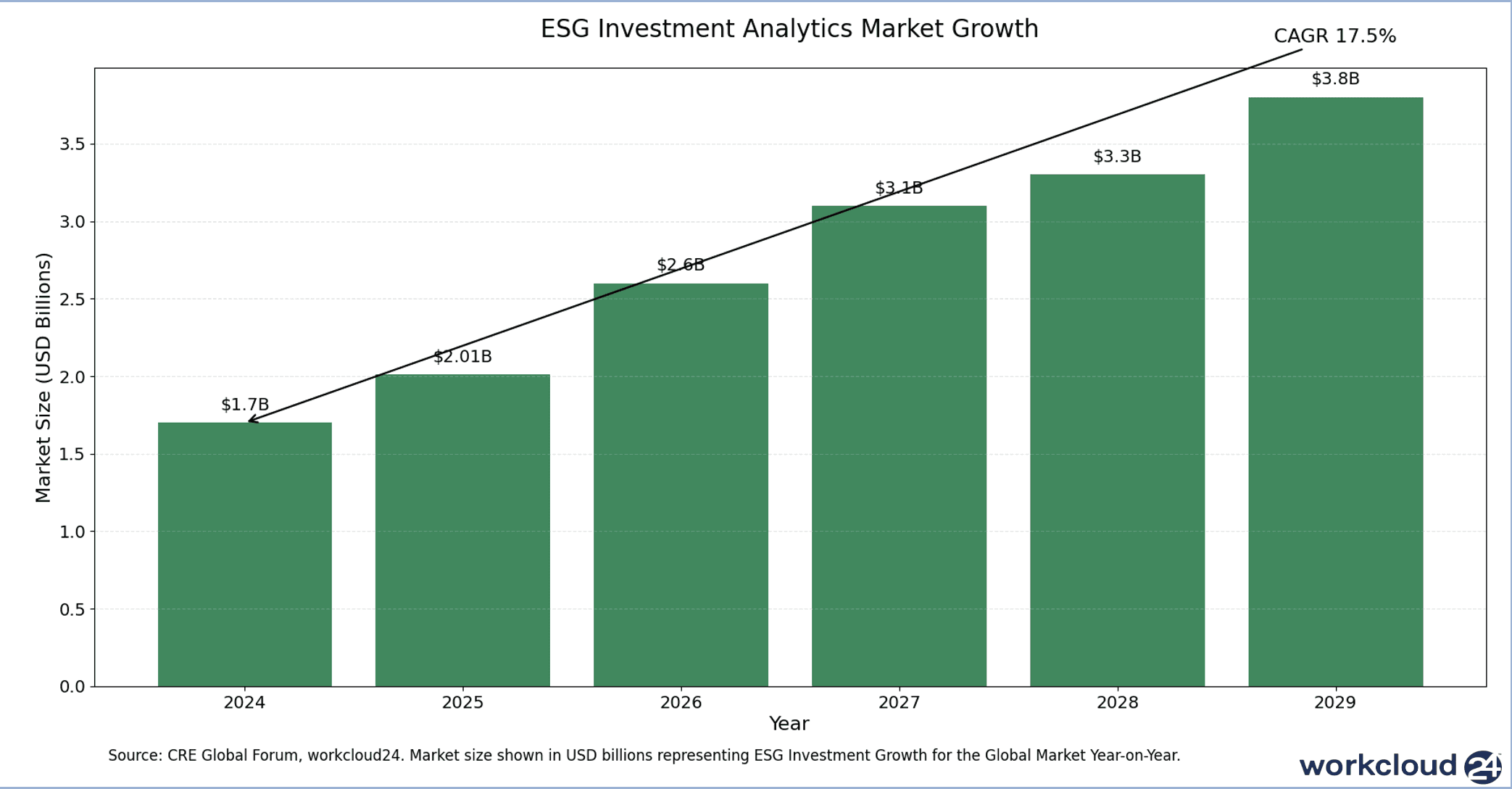
The other side of the equation is risk mitigation. Markets are starting to price in what many call the “brown discount,” where older or inefficient assets risk accelerated obsolescence if they do not keep pace with shifting regulatory requirements, carbon targets, and tenant expectations.
Retrofits, efficiency upgrades, and credible decarbonisation strategies are increasingly central to protecting asset value in a world where carbon performance is tied to liquidity and exit pricing. This dynamic is setting up a more pronounced gap between assets that are future-proof and those that lag. For managers, developers, and investors, ESG isn’t simply about doing the right thing it is becoming one of the clearest signals of long-term competitiveness in commercial real estate.

Author of this Article
Hubert Abt - Founder & CEO
INSIGHTS & RESOURCES
See other interesting news
Sed ut perspiciatis unde omnis iste natus error sit voluptatem accusantium doloremque laudantium, totam rem aperiam.
Want to learn more?
Book a free consultation with Hubert!
During the call we will explain the process in details and answer any extra questions you may have