ESG Investing in a Higher-Rate World: What Actually Changes and What Doesn’t.
January 9, 2026
5 Minutes.

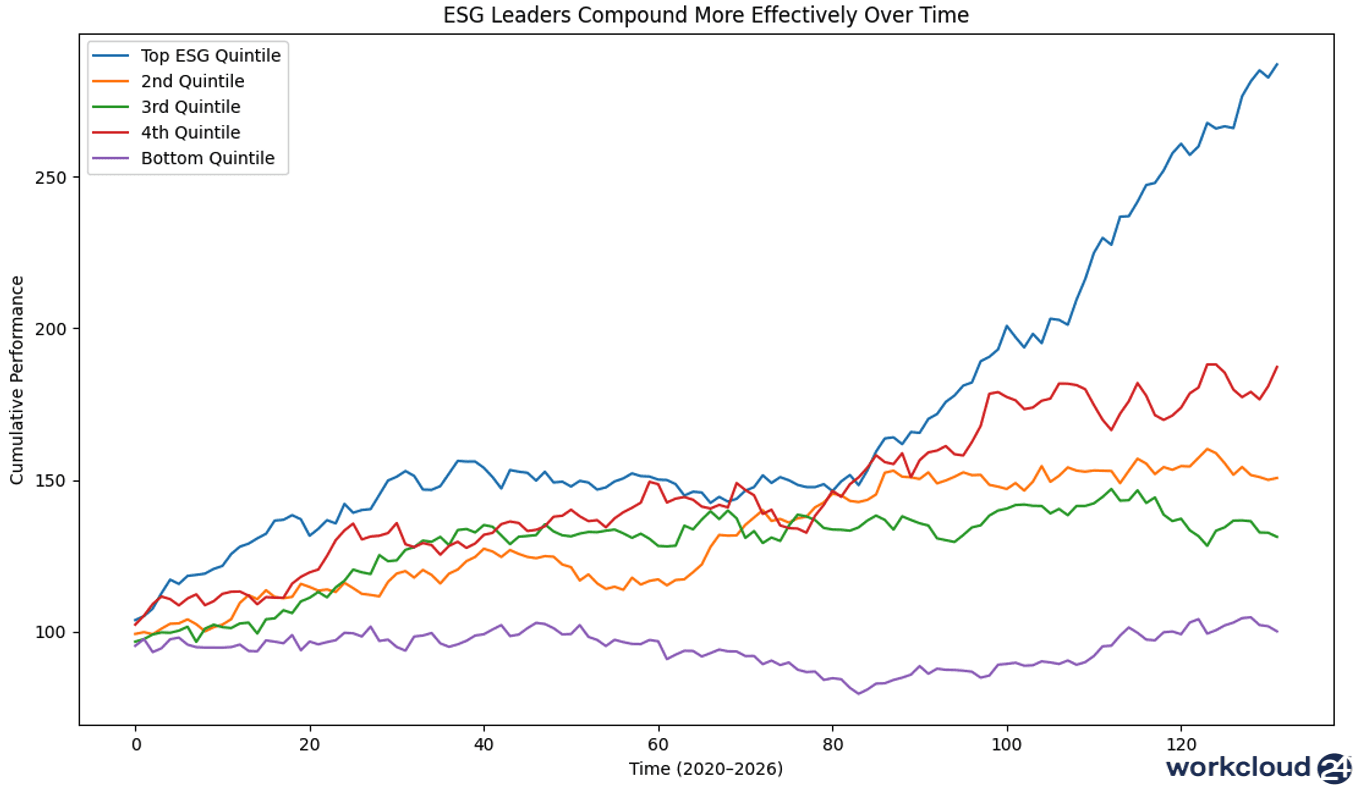
One of the more persistent myths is that ESG only “worked” in a zero-rate environment. The data says otherwise. Over the past decade, companies in the bottom ESG quintiles particularly on environmental and social factors have consistently underperformed higher-ranked peers. That dispersion didn’t disappear through COVID or the rate reset; if anything, it became more visible as capital grew more selective.
What has changed is investor psychology. With cash yielding ~5%, the hurdle for equity risk is higher and patience is thinner. But that doesn’t invalidate ESG it sharpens it. Capital is no longer rewarded for stability alone. Low-growth, yield-oriented businesses now struggle to compete with risk-free alternatives, while companies offering credible long-term growth and structural relevance still attract capital, even if near-term profitability is delayed.
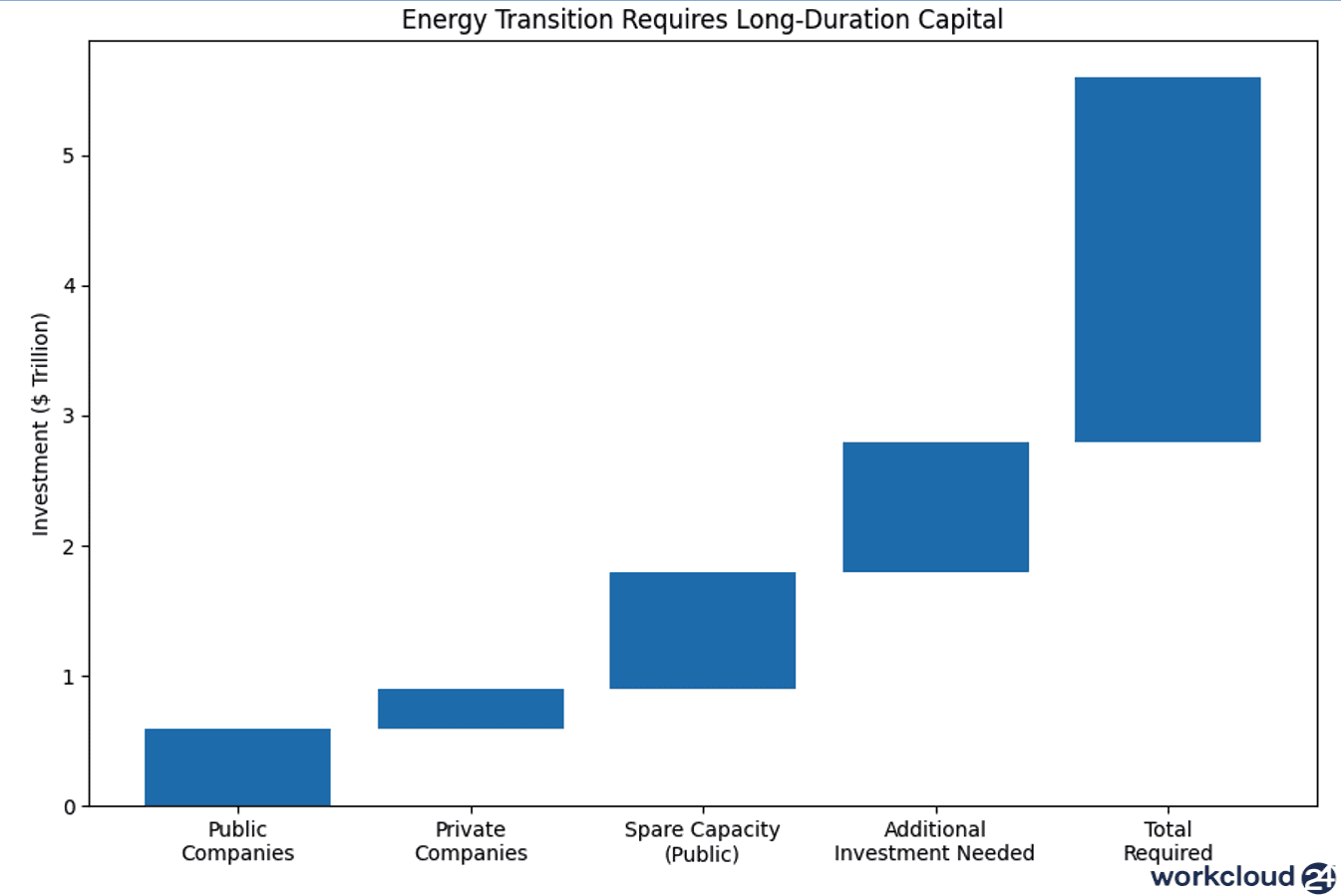
This matters for the energy transition. Funding the next phase whether through public markets or private capital was never about short-term returns. Breakthrough technologies, scale-up infrastructure, and decarbonization pathways require long duration capital. Markets have repeatedly shown a willingness to price growth before profits when the end-state is compelling and defensible.

Author of this Article
Hubert Abt - Founder & CEO
INSIGHTS & RESOURCES
See other interesting news
Sed ut perspiciatis unde omnis iste natus error sit voluptatem accusantium doloremque laudantium, totam rem aperiam.
Want to learn more?
Book a free consultation with Hubert!
During the call we will explain the process in details and answer any extra questions you may have