Decarbonisation as a Capital Allocation Signal: The New Benchmark for Institutional Portfolios
December 24, 2025
3 Minutes


The shift from climate pledges to practical implementation is accelerating across the investment and lending landscape. Frameworks like the Net Zero Investment Framework and TCFD are no longer just reporting tools they are becoming operational guides for how capital is allocated, how portfolios are constructed, and how risk is assessed. Investors and lenders alike are responding to the same structural reality: the transition to a low-carbon economy is reshaping markets, cost of capital, and long-term asset value.
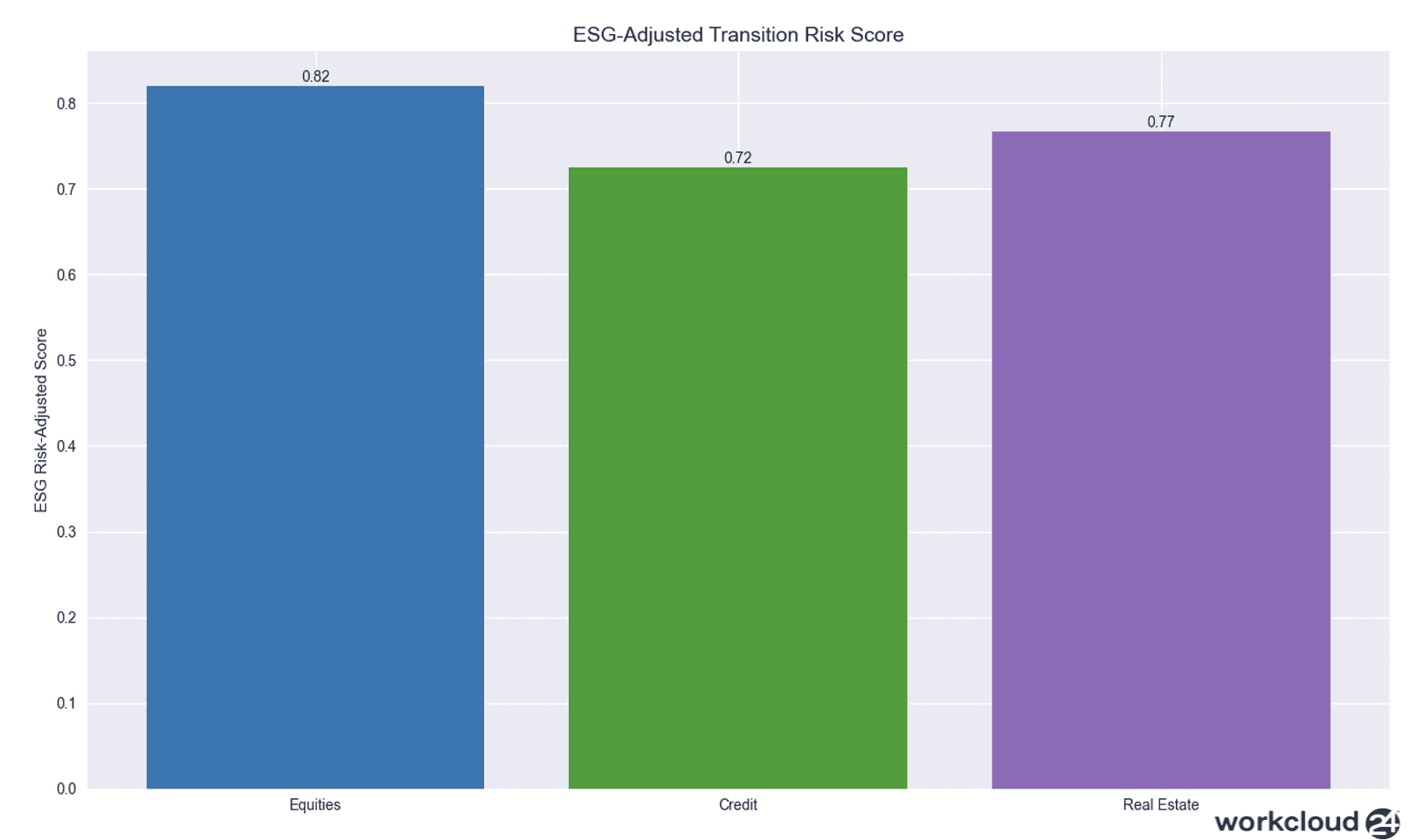
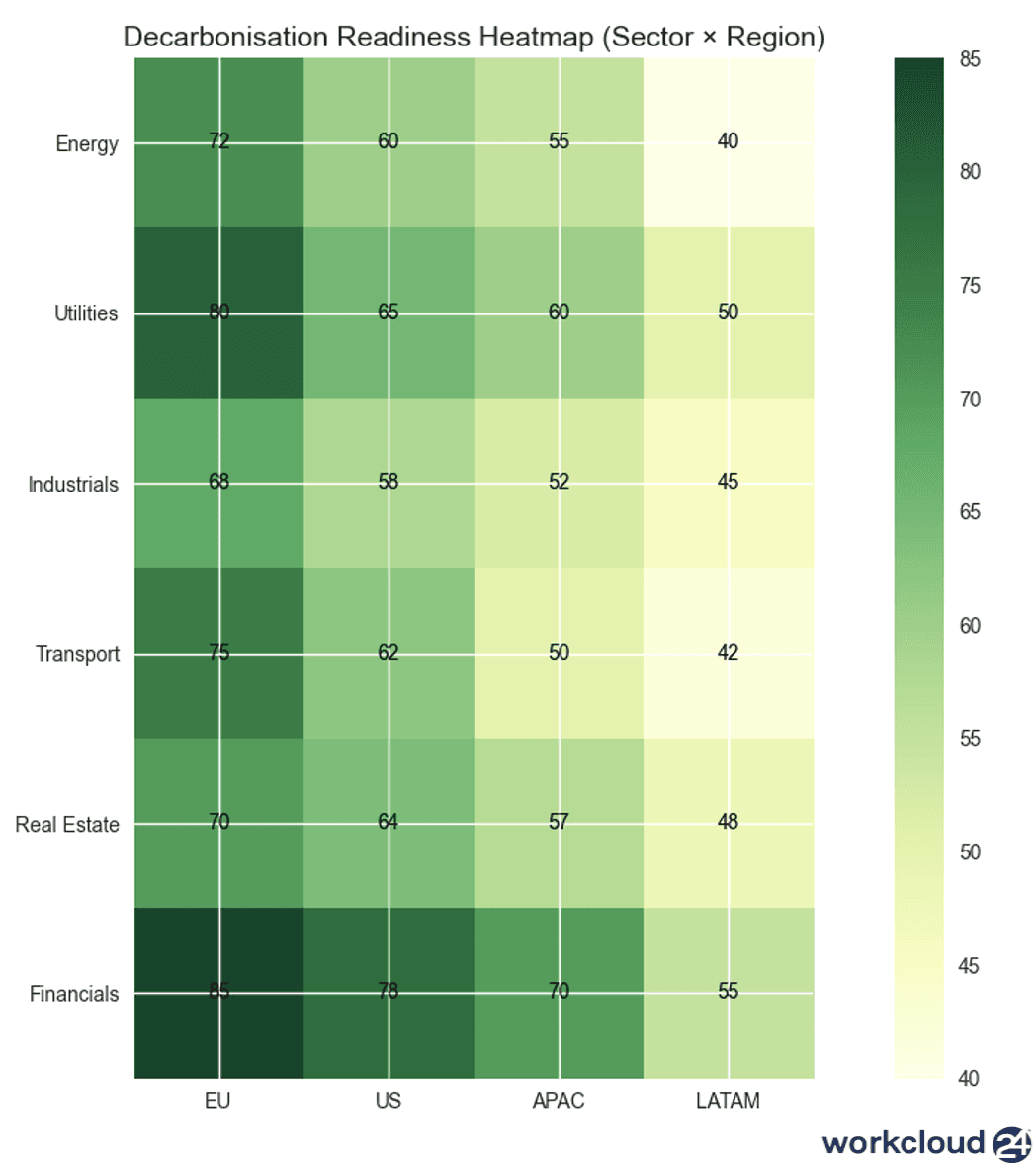
Across equities, fixed income, and credit portfolios, decarbonisation strategies are increasingly focused on identifying companies and borrowers that stand to benefit from the transition while reducing exposure to carbon-intensive activities vulnerable to tightening regulation, rising refinancing costs, or stranded-asset risks. Climate and Paris-Aligned Benchmark ETFs continue to gain traction as scalable solutions for aligning portfolios with transition pathways. Whether managing diversified portfolios or underwriting real-asset-backed loans, the direction of travel is clear climate resilience and transition readiness are becoming financially material indicators of long-term performance, stability, and credit strength.

Author of this Article
Hubert Abt - Founder & CEO
INSIGHTS & RESOURCES
See other interesting news
Sed ut perspiciatis unde omnis iste natus error sit voluptatem accusantium doloremque laudantium, totam rem aperiam.
Want to learn more?
Book a free consultation with Hubert!
During the call we will explain the process in details and answer any extra questions you may have