Natural Capital: ESG Alpha Meets Portfolio Construction
17. Januar 2026
4 Minutes

Natural capital is increasingly moving from an ESG allocation to a repeatable source of risk-adjusted returns that asset managers and portfolio managers can underwrite. Forestry, sustainable agriculture, and biodiversity-linked land combine several features allocators care about: low correlation to listed markets, inflation sensitivity, and long-duration cash flows. What differentiates these assets is that ESG factors are not ancillary—they are value drivers. Land stewardship, biodiversity outcomes, water management, and carbon sequestration directly influence asset quality, yields, and long-term pricing power.
Policy and regulation reinforce this dynamic. Global climate and biodiversity targets imply that capital deployed into nature-based solutions must more than double by 2030, while mechanisms such as biodiversity net gain and carbon pricing increasingly monetise positive environmental outcomes. This is ESG integration with real cash-flow implications, not box-ticking. Structural trends add further support. The shift toward a circular bio-economy is accelerating demand for timber and bio-based materials as substitutes for carbon-intensive inputs like steel and concrete.
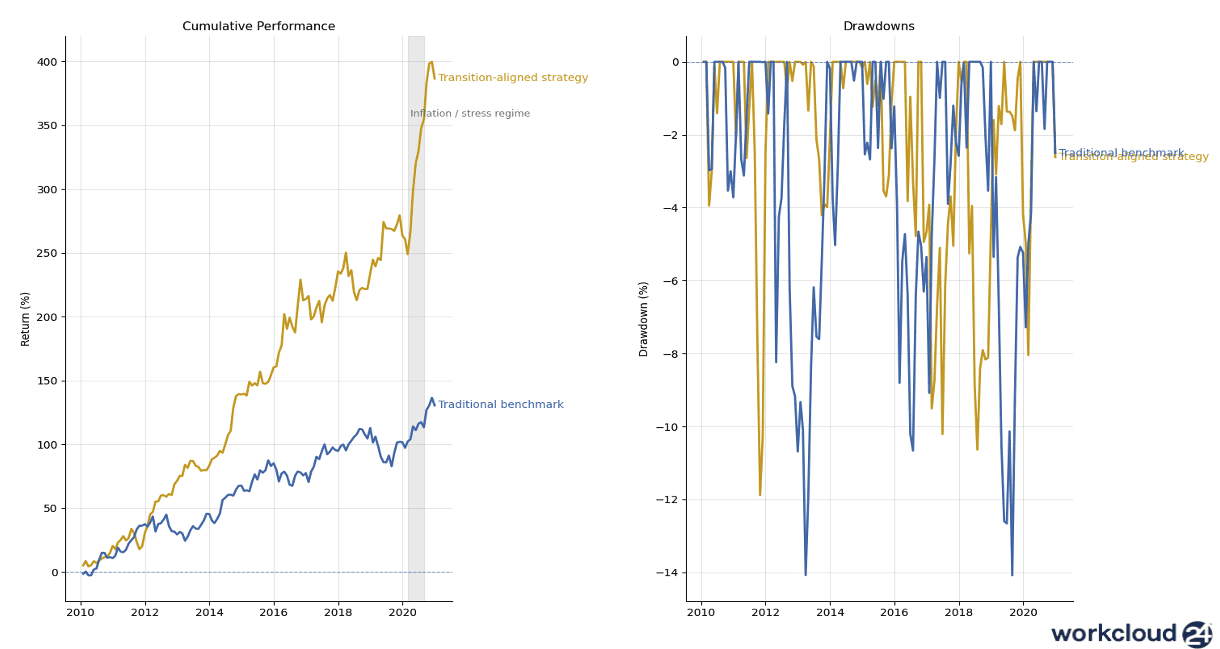
At the same time, ownership of forestry and land assets is migrating from private wealth toward institutional investors, reflecting greater comfort with ESG-linked underwriting and governance frameworks. For investment managers, the takeaway is clear: natural capital sits at the intersection of return, resilience, and measurable ESG impact. It is no longer just an ethical allocation it is becoming a strategic real asset exposure within diversified portfolios.

Autor dieses Artikels
Hubert Abt - Founder & CEO
EINBLICKE & RESSOURCEN
Siehe andere interessante Nachrichten
Sed ut perspiciatis unde omnis iste natus error sit voluptatem accusantium doloremque laudantium, totam rem aperiam.
Möchten Sie mehr erfahren?
Buchen Sie eine kostenlose Beratung mit Hubert!
Während des Anrufs werden wir den Prozess im Detail erklären und alle zusätzlichen Fragen beantworten, die Sie haben könnten.