ESG Investing in a Higher-Rate World: What Actually Changes and What Doesn’t.
9. Januar 2026
5 Minutes.

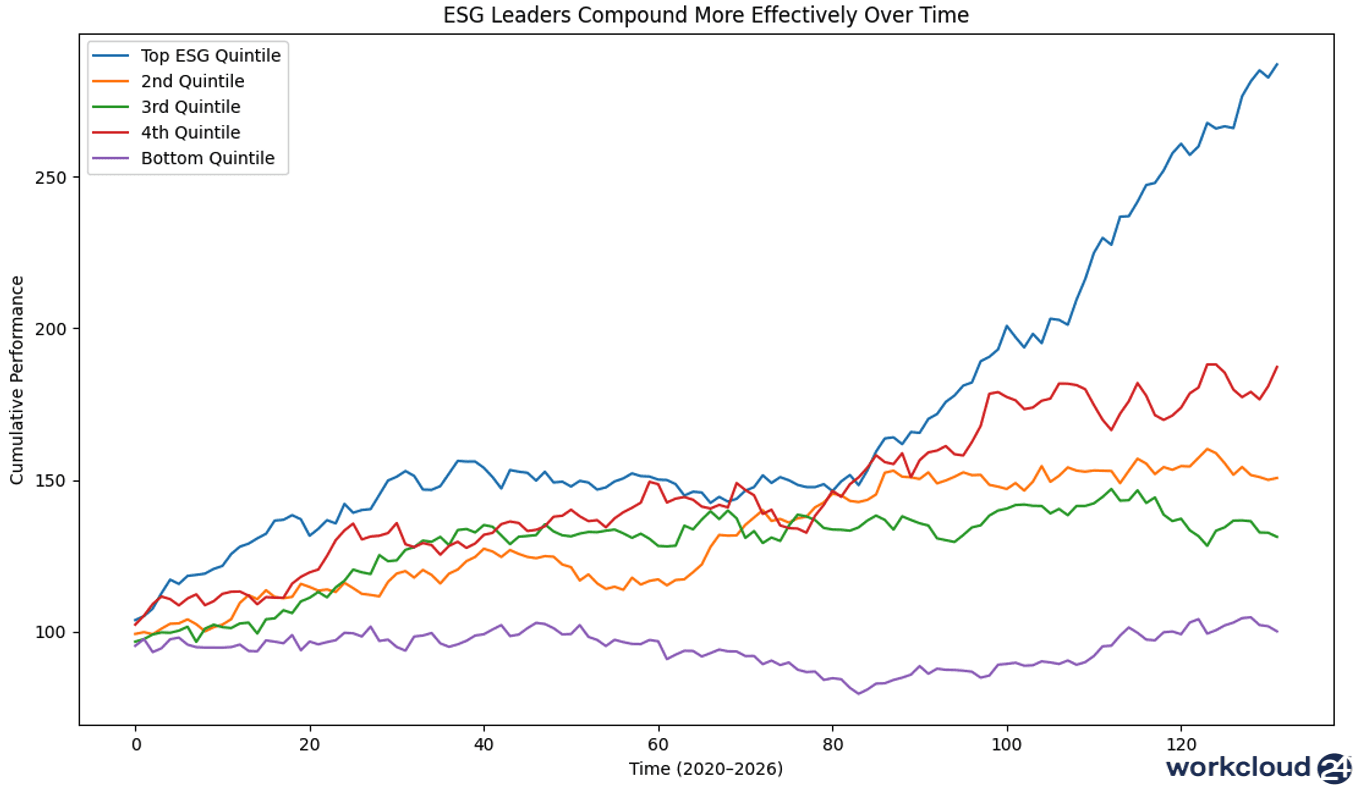
One of the more persistent myths is that ESG only “worked” in a zero-rate environment. The data says otherwise. Over the past decade, companies in the bottom ESG quintiles particularly on environmental and social factors have consistently underperformed higher-ranked peers. That dispersion didn’t disappear through COVID or the rate reset; if anything, it became more visible as capital grew more selective.
What has changed is investor psychology. With cash yielding ~5%, the hurdle for equity risk is higher and patience is thinner. But that doesn’t invalidate ESG it sharpens it. Capital is no longer rewarded for stability alone. Low-growth, yield-oriented businesses now struggle to compete with risk-free alternatives, while companies offering credible long-term growth and structural relevance still attract capital, even if near-term profitability is delayed.
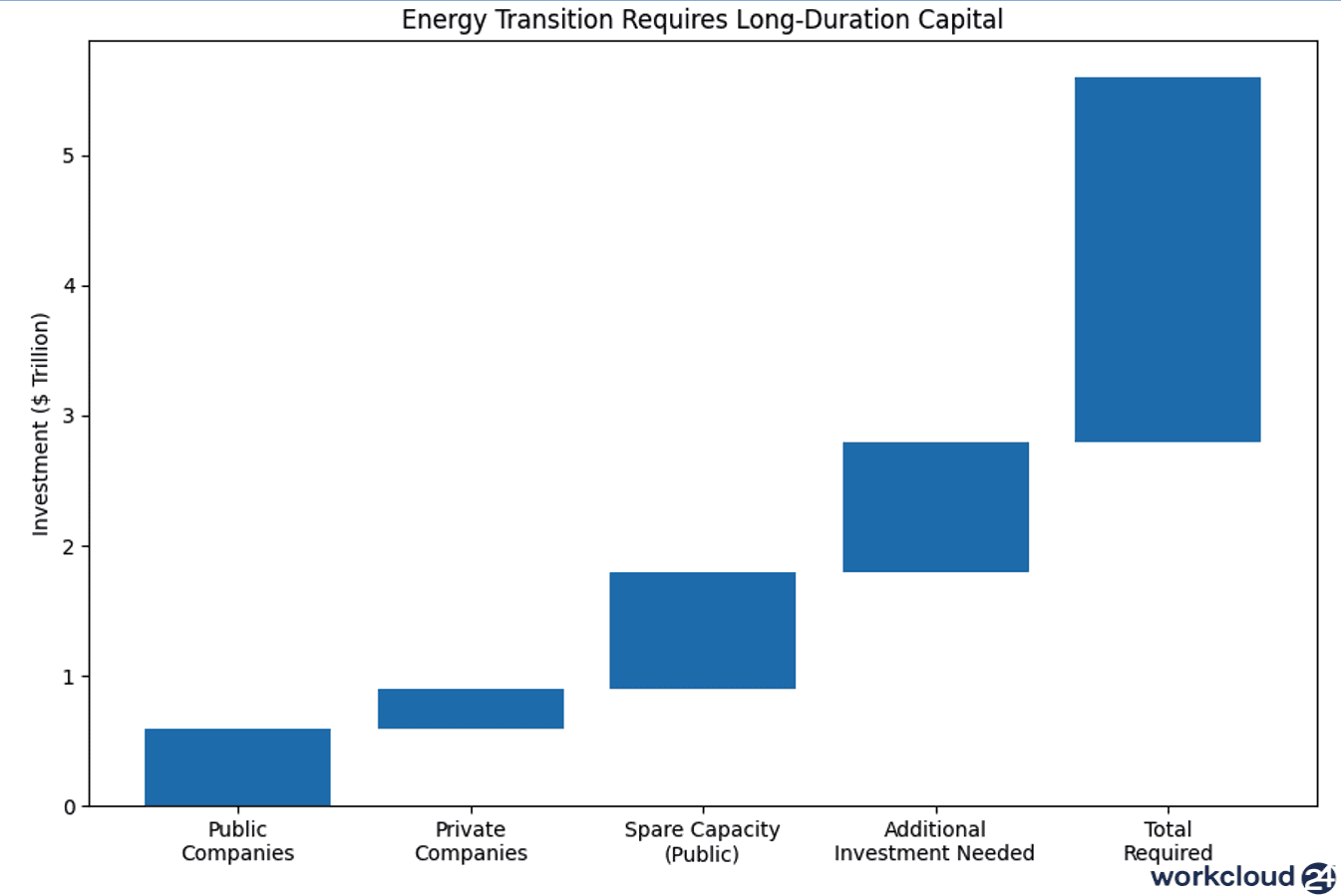
This matters for the energy transition. Funding the next phase whether through public markets or private capital was never about short-term returns. Breakthrough technologies, scale-up infrastructure, and decarbonization pathways require long duration capital. Markets have repeatedly shown a willingness to price growth before profits when the end-state is compelling and defensible.

Autor dieses Artikels
Hubert Abt - Founder & CEO
EINBLICKE & RESSOURCEN
Siehe andere interessante Nachrichten
Sed ut perspiciatis unde omnis iste natus error sit voluptatem accusantium doloremque laudantium, totam rem aperiam.
Möchten Sie mehr erfahren?
Buchen Sie eine kostenlose Beratung mit Hubert!
Während des Anrufs werden wir den Prozess im Detail erklären und alle zusätzlichen Fragen beantworten, die Sie haben könnten.